- ?️ Where is Zoo Wrocław located and how to get there
- ? Public transport – easy routes
- ? By car
- ? Other options
- Afrykarium Wrocław – what is it and is it worth visiting?
- What animals can you see at Zoo Wrocław?
- ? Zoo Wrocław visiting plan – 3 ready-made options
- “Quick” route (1.5–2 hours)
- “Classic” route (3–4 hours)
- “Full day” route (5–7 hours)
- Practical information and tips
Zoo Wrocław is the largest zoo in Poland, with one unmissable highlight: Afrykarium (a unique complex dedicated to African wildlife). For a quick visit, plan 1.5–2 hours; a standard visit takes 3–4 hours, and if you prefer a relaxed pace with breaks, allow up to half a day (5–7 hours).
Afrykarium is a “must-see” – if you’re short on time, make it your priority and plan the rest of your route around it.
If you’re visiting the zoo with children, it’s worth following a separate plan (shorter loops, more frequent breaks and a stroller-friendly route).
- Location: Wrocław, near Centennial Hall (Szczytniki area).
- Main entrance: entrances are located near the main avenues and parking areas — the easiest way is to search for “ZOO Wrocław” in your navigation app.
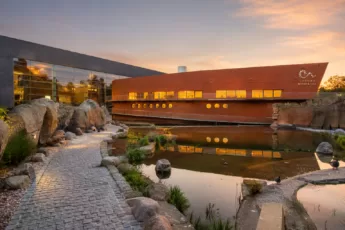
- Afrykarium: part of Zoo Wrocław – a modern complex showcasing African ecosystems and wildlife (one of the main reasons to visit).
- How long to spend: approximately 2 to 6 hours, depending on your pace.
- Best for: families with children, visitors with strollers, rainy days (many indoor exhibits) and winter visits.
- Tickets: available at the ticket office and online (booking in advance is recommended on weekends).
- Getting there / parking: accessible by car and public transport; there are nearby parking options, but spaces fill up quickly on weekends and holidays.
?️ Where is Zoo Wrocław located and how to get there
Zoo Wrocław address: Zygmunta Wróblewskiego 1–5, 51-618 Wrocław, Poland — the zoo is located on Wielka Wyspa (Great Island) in the Śródmieście district (Dąbie), next to Centennial Hall and the grounds of Szczytnicki Park.
? Distance from the city’s most popular spots:
- from Wrocław Market Square — around 4.3–4.7 km (~20–26 min by tram/bus, ~45–50 min on foot or ~5 min by taxi).
- from Wrocław Main Railway Station — around 4.2–4.6 km (20–25 min by public transport or ~10–12 min by taxi/ride-hailing).
? Public transport – easy routes
The zoo is well connected to the city centre and other districts thanks to tram and bus lines heading towards Centennial Hall and the “Zoo” stop.
Trams:
- lines running to the Hala Stulecia (Centennial Hall) or Zoo stops (a short walk to the entrance).
Buses:
- lines stopping near Hala Stulecia (close to the zoo).
? The quietest time to visit is weekday mornings — weekends are noticeably busier.
? By car
Zoo Wrocław is located on Zygmunta Wróblewskiego Street, near Centennial Hall. Parking is available in the area (including near Centennial Hall and Szczytnicki Park), but during peak times (weekends/holidays) spaces fill up quickly — arriving early or using public transport is recommended.
? Other options
- Taxi / ride-hailing (Bolt/Uber): approx. 10–12 minutes from the Main Railway Station to the zoo;
- On foot: a walk from Market Square takes about 45–50 minutes (approx. 4–4.7 km).
Afrykarium Wrocław – what is it and is it worth visiting?
Afrykarium is the most distinctive part of Zoo Wrocław – a modern complex presenting African ecosystems along a continuous visitor route. It’s not a single-hall oceanarium, but a sequence of spaces guiding you through different environments: from coastal waters and river habitats to tropical zones and large aquatic exhibits.
It’s especially recommended for families with children, first-time visitors and days with uncertain weather. Much of the route is indoors, making Afrykarium a good option in winter or on rainy days.
What animals can you see at Zoo Wrocław?
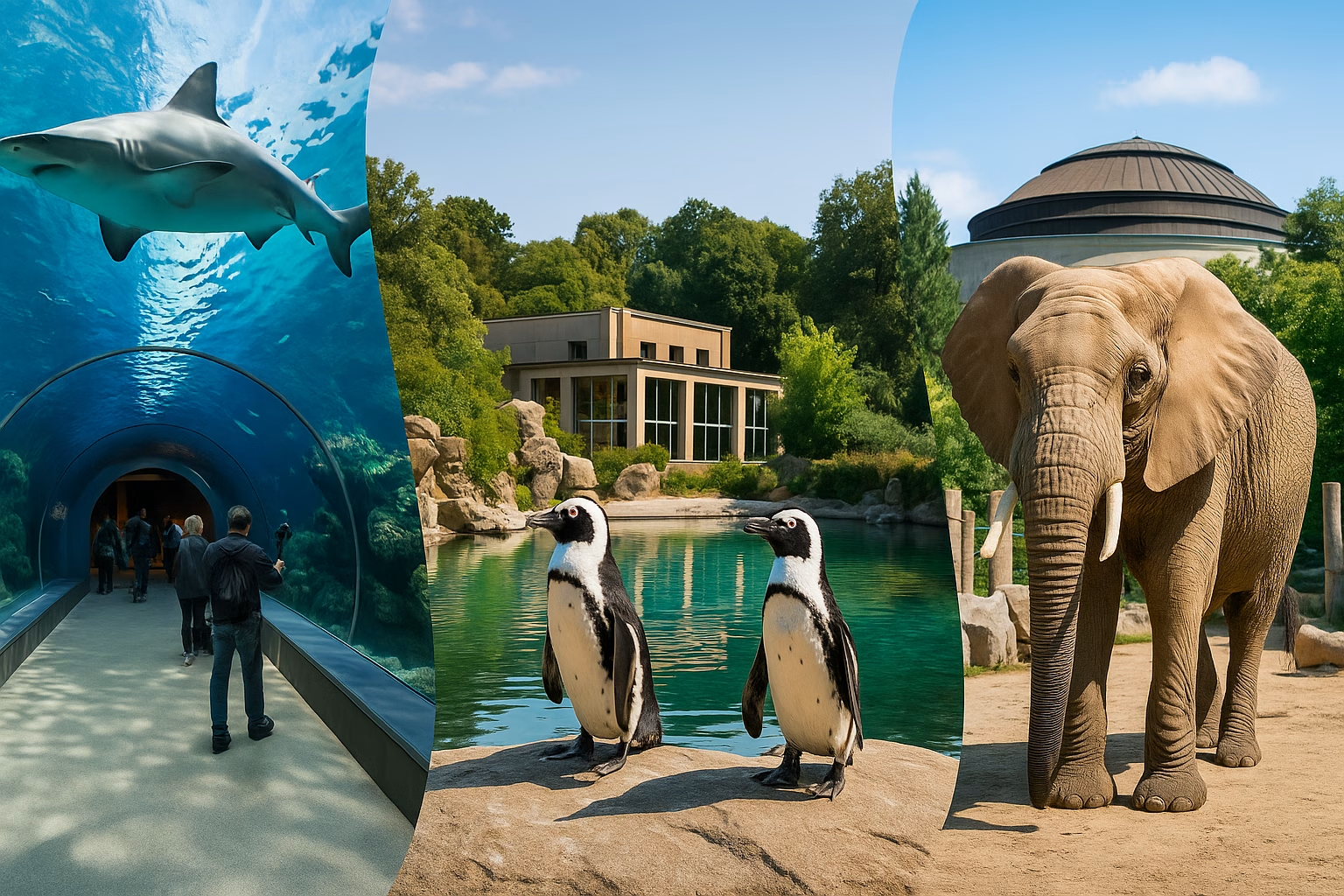
Zoo Wrocław is one of the largest zoos in Poland in terms of species diversity. Visitors can see large mammals, exotic aquatic species, birds, reptiles and African wildlife presented in Afrykarium.
Among the most recognisable animals are:
- predators and large mammals
- African species showcased in Afrykarium
- aquatic animals and exotic fish
- birds and tropical species
- smaller animals in themed pavilions
The variety means every visit can feel different — you can focus on one zone or plan your route around a specific group of animals.
? Zoo Wrocław visiting plan – 3 ready-made options
The easiest way to explore Zoo Wrocław is to follow a ready-made plan. Choose your available time and treat Afrykarium as your central point, adjusting the rest to your pace and the weather.
“Quick” route (1.5–2 hours)
- Best for: first-time visitors, limited time, want to see the highlights.
- Main focus: Afrykarium as priority – approx. 60–90 minutes.
- + 2–3 nearby zones: closest pavilions and paths without trying to see everything.
“Classic” route (3–4 hours)
- Plan: start with Afrykarium → then main paths and selected pavilions.
- Order: indoor exhibits first → outdoor areas afterwards.
“Full day” route (5–7 hours)
- Pace: divide your visit into 2–3 blocks with breaks.
- Tip: with children, it’s better to see less but at a slower, more relaxed pace.

Practical information and tips
| Pacing your visit | Don’t try to see everything at once – it’s better to divide your visit into 2–3 blocks with short breaks in between. |
|---|---|
| Afrykarium | The best time to visit is early in the morning or later in the afternoon – queues are longest around midday. |
| Food and drinks | Bring water and small snacks; food outlets are available inside the zoo, but prices are higher than in the city. |
| Taking a break | There are benches and green areas throughout the zoo – plan short stops every 45–60 minutes. |
| Weather | On hot days, choose routes with more shade and indoor pavilions; in the rain, focus on indoor exhibits. |
| Photography | The best natural light for photos is in the morning; near water tanks, avoid reflections by positioning yourself at an angle. |
| Children | With younger children, plan a shorter loop and more frequent breaks – 3–4 hours is a comfortable visit without overtiring. |
| Weekends | On weekends and public holidays, arrive as early as possible – visitor numbers increase significantly in the afternoon. |